
Ever wondered why a clear sky relaxes you, while a lonely song makes you feel “blue”? That’s the blue meaning in action. Blue stands for calmness, trust, and emotional depth, but it also carries sadness and distance when the mood shifts.
Let’s break down the meaning of blue, where it came from, and how it quietly shapes your mood and feelings every day.
Definition & Core Meaning
Blue is a cool color that sits between green and violet on the spectrum. In the world of color psychology, it’s the shade people link most with peace, stability, and reliability.
Think of it as the color of the open sea. It feels vast, steady, and a little mysterious.
Core Meanings of Blue
The core meaning of blue splits into two sides. On the bright side, you get calmness, trust, loyalty, wisdom, and quiet strength. On the softer side, you get sadness, loneliness, and reflection.
That’s why blue color symbolism feels so rich. One shade can comfort you and move you at the same time.
Simple Examples
You see blue meaning everywhere. A blue sky says freedom and open space. A navy suit says “you can count on me.”
A hospital wall painted pale blue? It aims to lower stress before you even sit down.
Historical & Cultural Background
Blue wasn’t always easy to find. For centuries, a true blue pigment cost more than gold, so people treated it as something special. That rarity shaped the history of blue and its link to status and divinity.
Ancient Meanings
The ancient Egyptians loved blue. They saw it as a sacred color tied to the Nile, the sky, and protective symbolism. They crushed lapis lazuli and other blue stones to decorate tombs and jewelry.
In medieval Europe, painters used expensive lapis blue for robes of royalty and holy figures. Blue became a sign of heavenly symbolism, royalty, and spiritual significance.
Cultural Interpretations
Different cultural values gave blue different jobs. Some Indigenous traditions use blue for healing, water, and spiritual guidance. Other communities link it to mourning or protection.
You’ll also spot blue on national flags and in traditional art, where it often means unity, peace, or the sea.
Emotional & Psychological Meaning
Studies on blue in psychology often link the color with slower breathing and a calmer mind. It won’t fix everything, but it helps many people feel steadier. That’s the emotional impact of color at work.
Your response still depends on personal memories. A blue room may feel soothing to you and cold to someone else.
Personal Growth
Blue supports self-reflection and introspection. When you’re surrounded by it, you tend to slow down and think clearly. That helps with mental clarity, focus, and discipline.
Many people use blue in a study corner or journal for this reason. It nudges you toward calm thinking instead of rushing.
Identity & Personality
People drawn to blue often show honesty, loyalty, and thoughtfulness. They tend to value depth over noise and quiet confidence over loud attention. That’s the classic blue personality meaning.
They’re usually dependable friends who listen well. Ask them for advice and you’ll likely get a calm, honest answer.
Healing, Mindset & Symbolism
Blue ties into emotional healing and inner peace. It helps with stress reduction and anxiety reduction, because it signals safety and emotional balance.
Think of it as a deep breath in color form. It invites you to let go of chaos and trust yourself again.
Different Contexts & Use Cases
Blue shifts its meaning with the setting. A blue shirt at work doesn’t say what a blue caption says online. Let’s look at the main places you’ll meet it.
Personal Life
At home, blue shows up in bedrooms, towels, and blue room decoration. People choose it for relaxing environments and better rest. It’s also a favorite in personal expression and blue clothing.
Your color choices often reveal how you want to feel. Picking blue usually means you want peace.
Social Media
On social platforms, blue powers the blue aesthetic. Think soft skies, ocean photos, and cool toned feeds. It signals calm, authenticity, and minimalist design.
A blue heart emoji or a moody blue photo can also hint at loneliness or longing. Context tells you which one it is.
Relationships
In love, blue stands for loyalty, trust, and emotional stability. A partner who feels like a safe harbor often gets linked with blue. It speaks of faithfulness and mutual trust.
It can also point to emotional distance when feelings go quiet. So read the situation, not just the color.
Professional or Modern Usage
Offices love blue because it looks professional and trustworthy. You’ll see it in business uniforms, résumés, and corporate logos. It sends a “safe and dependable” message.
In tech, blue also feels clean and modern. That’s why so many apps and platforms lean on it.
Hidden, Sensitive, or Misunderstood Meanings
Blue gets boxed into a single idea far too often. The truth is messier and more interesting. Here are the common misconceptions about blue.
What People Get Wrong
Blue doesn’t only mean sadness. It also means freedom, wisdom, and confidence. And blue isn’t always calming, either. Bright electric blue can feel loud and intense.
Cultural Misinterpretations
A color that signals trust in one country might signal mourning in another. If you design for a global audience, don’t assume everyone reads blue the same way. Check local meanings first.
When Meaning Changes
Context-dependent symbolism rules here. Shade, setting, and culture all shift the message. A pale blue hospital gown feels gentle, while a dark blue storm sky feels heavy.
Comparison Section
Putting blue next to other colors makes its personality clearer. Here’s a quick look at blue vs. red, green, yellow, and black.
| Color | Core Feeling | Emotional Tone |
| Blue | Calm, trust, depth | Steady and thoughtful |
| Red | Passion, energy | Intense and urgent |
| Green | Growth, renewal | Fresh and balanced |
| Yellow | Happiness, optimism | Bright and playful |
| Black | Power, mystery | Serious and bold |
Red grabs attention, while blue earns trust. Blue sits closer to emotion and logic working together.
Popular Types / Variations of Blue
Not all blues feel the same. Each shade of blue carries its own message, so here’s a simple tour of the blue color variations.
1. Light Blue
Light blue meaning centers on calmness, freshness, and peace. It feels airy and gentle. It’s great for spaces where you want people to relax.
2. Dark Blue (Navy)
Dark blue speaks of authority, seriousness, and stability. Navy blue meaning adds professionalism and dependability. It’s the go-to for suits and uniforms.
3. Sky Blue
Sky blue stands for freedom, openness, and possibilities. Looking at it feels like looking up on a clear day. It makes ideas feel bigger.
4. Baby Blue
Baby blue brings innocence, softness, and gentleness. It’s tender and nostalgic. You’ll often see it in nurseries and pastel palettes.
5. Royal Blue
Royal blue signals luxury, power, and richness. It has a bold, confident glow. Many formal events and brands use it to look premium.
6. Turquoise
Turquoise is linked with healing, clarity, and refreshing energy. It mixes the calm of blue with the life of green. Think tropical water.
7. Teal
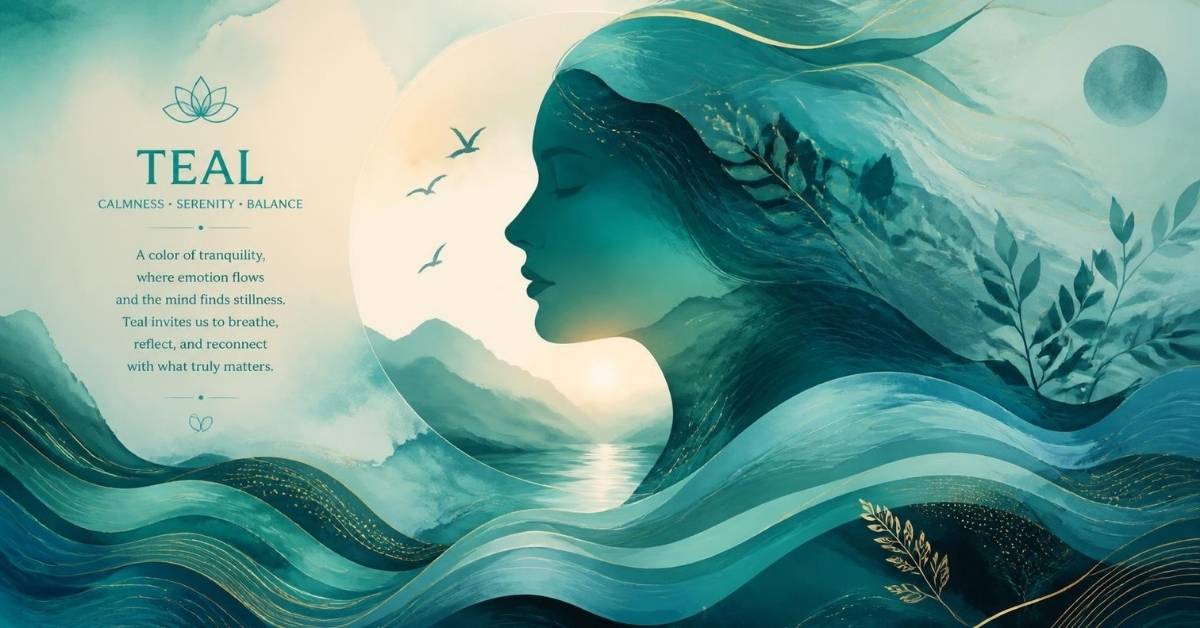
Teal offers balance, sophistication, and modernity. It’s deeper than turquoise and a bit more serious. Designers love it for stylish, grown up looks.
8. Electric Blue
Electric blue means energy, innovation, and futuristic design. It pops on screens and in neon signs. It’s the loudest blue of the bunch.
9. Steel Blue
Steel blue shows strength, resilience, and control. It has a grey edge that feels solid and cool. It suits serious, practical designs.
10. Indigo
Indigo points to intuition, spirituality, and depth. It sits near the night sky and feels contemplative. Many people tie it to inner awareness.
How to Respond When Someone Asks About It
Someone asks, “Why do you love blue?” or “What does blue mean to you?” You don’t need a perfect speech. Match your answer to the moment.
Casual Responses
Keep it light. Try, “It just feels calm to me,” or “It’s my go to color.” Simple and honest works well.
Meaningful Responses
Share the feeling behind it. You might say, “Blue reminds me to slow down and breathe.” That invites a real conversation.
Fun Responses
Add some humor. “Blue’s my color because it never argues with my wardrobe.” A little play keeps things warm.
Private Responses
You don’t owe anyone your full story. A short “It’s personal, but it comforts me” is enough. Your private interpretation stays yours.
Regional & Cultural Differences
Blue meaning in different cultures changes more than you’d expect. Here’s a quick map of regional color meanings.
Western Cultures
In Western cultures, blue means trust, calm, and professionalism. It’s also tied to sadness in phrases like “feeling blue.” Banks and tech firms rely on it heavily.
Asian Cultures
In many Asian cultures, blue links to immortality, healing, and harmony. In some places it also connects with mourning or spiritual depth. Meaning depends on the region.
Middle Eastern Cultures
Across Middle Eastern cultures, blue is a protective color. Blue beads and tiles are believed to ward off negativity and bring spiritual protection. It’s also tied to sacred art and architecture.
African & Latin Cultures
In African cultures, blue often connects with community, life, and renewal, especially through water and indigo dyed cloth. In Latin cultures, it can stand for faith, sky, and cultural identity. It carries warmth along with calm.
Blue in Everyday Language
You’ve probably said “I’m feeling blue” without thinking about it. The phrase and “the blues” tie blue to sadness in everyday expressions. It’s a figurative meaning that stuck around for ages.
Other idioms tell a different story. “Out of the blue” means something sudden, and “true blue” means loyal. So language shows both sides of blue.
Blue in Business and Branding
Brands pick blue to build brand trust. It signals reliability, professionalism, and customer confidence. That’s why banks, healthcare groups, and technology companies use it so much.
Good corporate branding also depends on balance. Too much navy can feel stiff, so many brands pair it with a lighter accent for warmth.
Spiritual Meaning of Blue
The spiritual meaning of blue often involves divinity, purity, and protection. Many traditions link it to inner peace, intuition, and spiritual healing. It feels like looking up toward something bigger.
Meditation practices often use blue imagery for emotional renewal. It helps people feel safe, guided, and connected.
Conclusion
Blue is far more than a pretty color. It holds trust, calm, wisdom, and emotional depth, along with sadness and distance when the moment calls for it. Culture, shade, and context shape every reading.
So next time you reach for something blue, pause and notice how it makes you feel. What’s your blue telling you? Share your thoughts in the comments, and pass this guide along to someone who loves color.
FAQs
What does blue symbolize?
Blue symbolizes calmness, trust, loyalty, wisdom, and stability. It can also stand for sadness and reflection, depending on shade and culture.
Why does blue represent sadness?
The link comes from language and art, like “feeling blue” and the blues in music. Blue’s quiet, cool tone also fits slower, more reflective moods.
Is blue a positive color?
Mostly, yes. It carries positive emotions like peace and confidence. Still, dark or cold blues can feel distant or heavy.
What does blue mean in psychology?
In color psychology, blue is tied to mental clarity, focus, and stress reduction. It tends to calm people rather than excite them.
Why do companies use blue?
Companies use blue because it builds trust, authority, and reliability. It looks safe and professional, which helps with customer confidence.
Does blue affect mood?
Yes, for many people it does. Blue can lower tension and support calm thinking, though personal experiences change how strongly you react.
What does blue mean in relationships?
It points to loyalty, trust, and emotional stability. It can also hint at emotional distance if communication fades.
Is blue a spiritual color?
Yes. Many traditions connect blue with divinity, protection, intuition, and inner peace.
